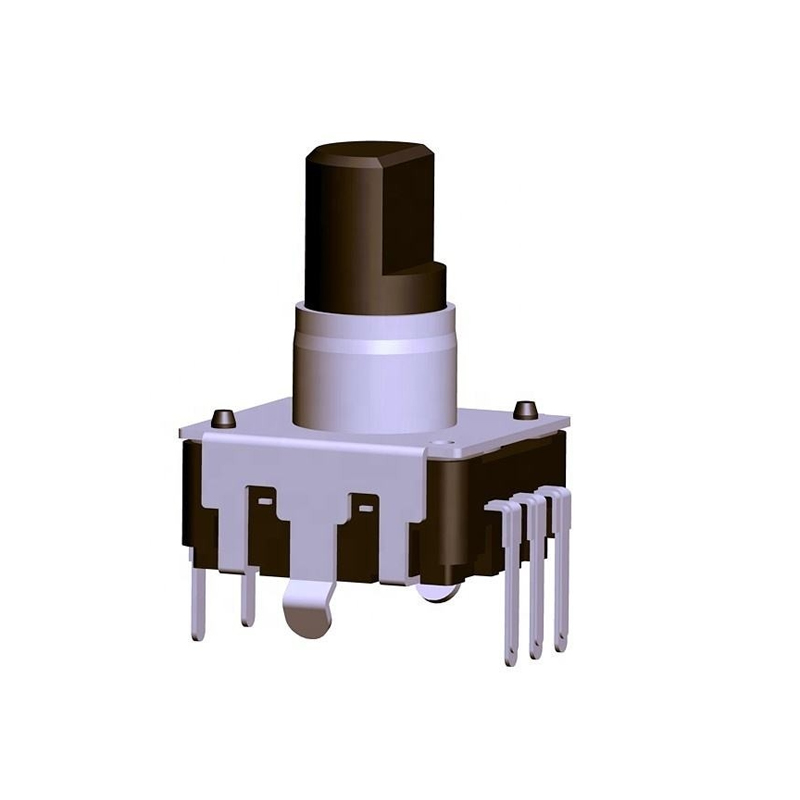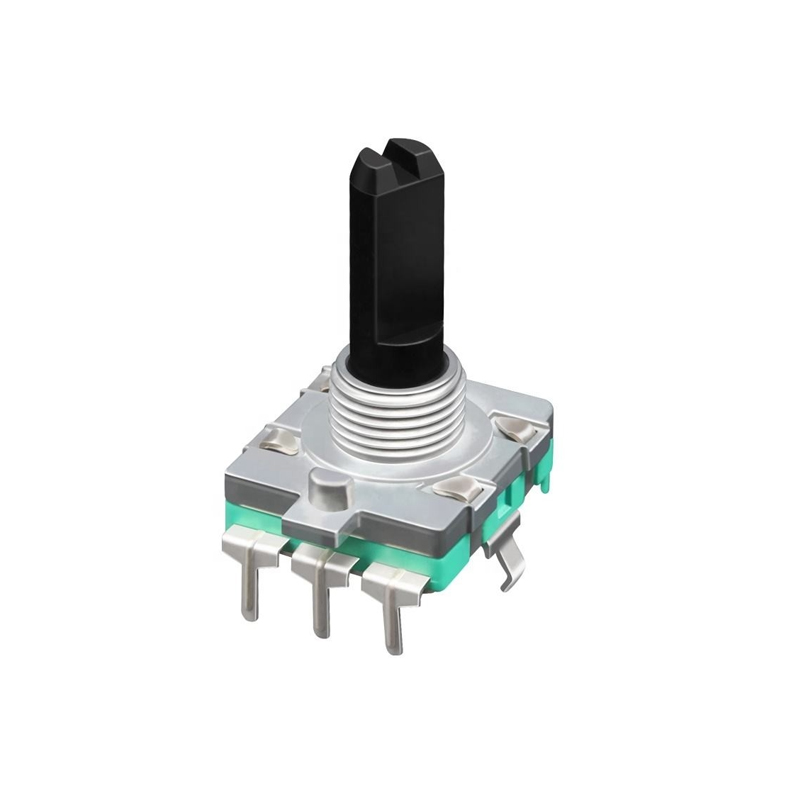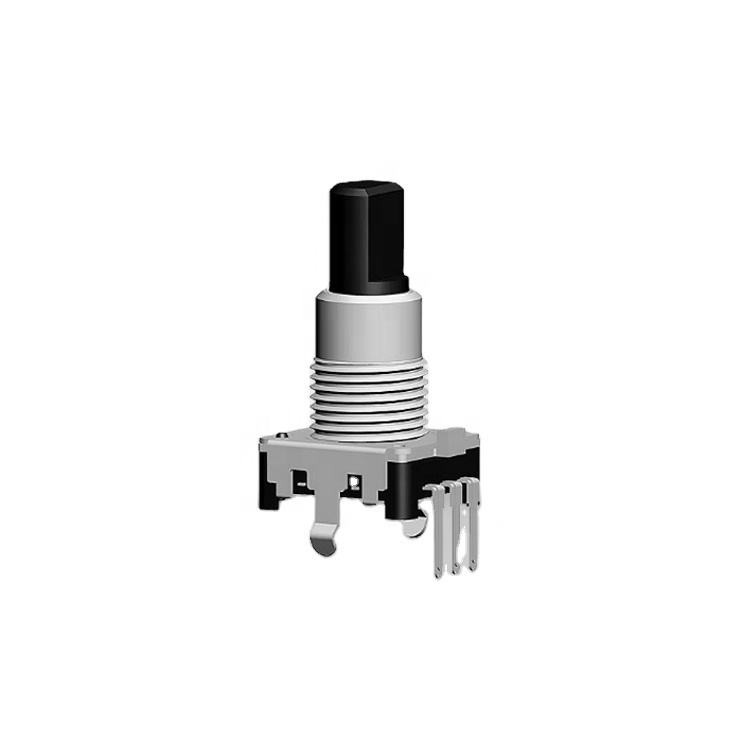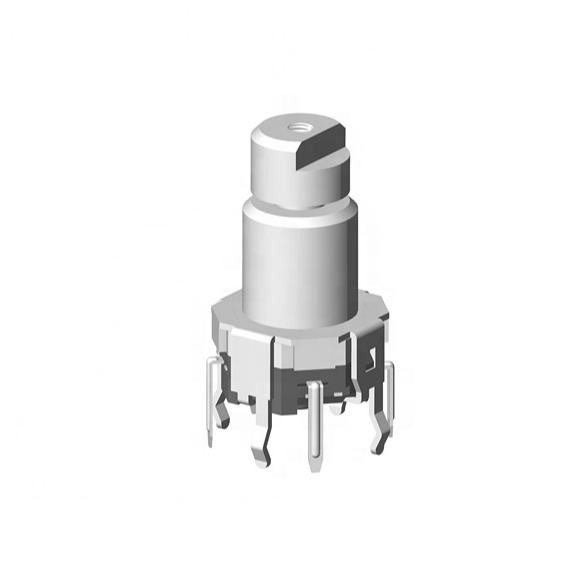
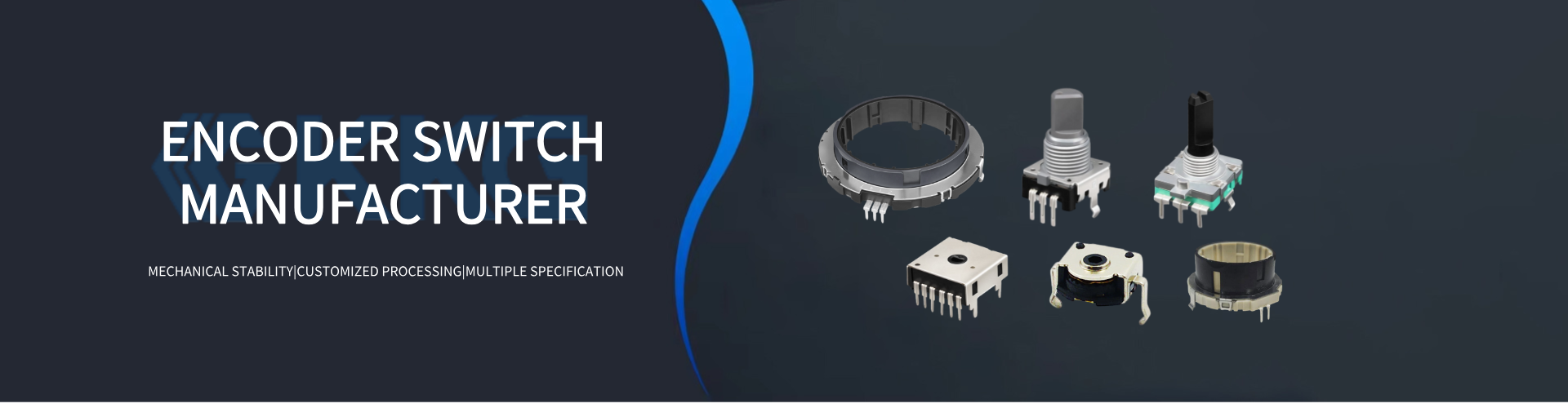
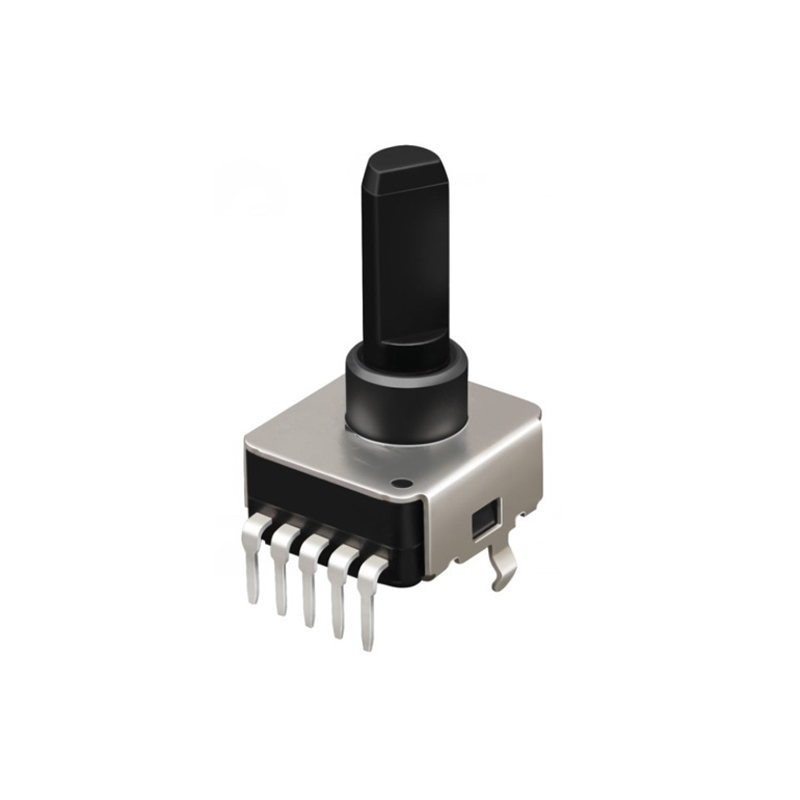
A Rotary Switch Encoder is a precision electromechanical component that converts the angular movement of a shaft into digital output signals. Unlike traditional potentiometers that rely on continuous resistance changes, a Rotary Encoder Switch generates discrete pulse signals to accurately detect rotation direction, speed, and position.
With excellent durability, accurate positioning, and reliable feedback, the Digital Rotary Encoder has become an essential control component in modern electronic systems. It is widely used for menu navigation, volume adjustment, parameter setting, and function selection in industrial equipment, consumer electronics, automotive systems, medical devices, and embedded control applications.
Popular models such as EC11 Rotary Encoder and EC12 Rotary Encoder are widely adopted by engineers because of their compact structure, stable electrical performance, and compatibility with microcontrollers, PLC systems, and various control boards. Customized solutions are also available to meet different requirements for shaft design, output signal, mounting style, and protection level.
A rotary switch encoder combines mechanical rotation with electronic signal conversion. When the actuator shaft rotates, the internal contact structure generates coded electrical signals that allow the control system to identify the movement and position.
Compared with traditional mechanical rotary switches, a Rotary Code Switch provides more precise digital control and supports multiple output formats, including quadrature signals, Gray code, and binary output. This makes it suitable for applications requiring frequent adjustments and accurate data input.
The Incremental Rotary Encoder uses pulse signals to detect rotational movement with high accuracy. Each rotation generates electrical pulses, allowing electronic systems to determine direction and position changes efficiently.
Designed for long-term operation, the Rotary Switch Encoder features a durable internal structure and high-quality contact materials. Many models provide a mechanical life of more than 100,000 cycles, ensuring stable performance in industrial environments.
The encoder provides precise detent positioning during rotation, allowing users to feel each adjustment step. This tactile response improves operation accuracy and prevents unintended changes during parameter adjustment.
The Rotary Switch Encoder supports common voltage ranges from 5VDC to 24VDC, making it compatible with various electronic systems, embedded controllers, PLC equipment, and automation devices.
Different applications require different signal formats. Rotary encoders can provide quadrature output, Gray code output, or binary output to ensure easy integration with different control systems.
For harsh working conditions, sealed encoder versions are available with enhanced protection against dust and moisture. Some models support IP67 protection and operate reliably in temperatures ranging from -40°C to +85°C.
Compared with traditional switches, a Rotary Switch Encoder provides continuous adjustment capability with digital feedback. Users can easily control parameters with greater accuracy and improved operating experience.
The digital output design allows direct connection with microcontrollers, embedded systems, and industrial controllers. Engineers can quickly implement functions such as menu selection, speed adjustment, and parameter configuration.
Because rotary encoders use digital signal output instead of variable resistance contact, they offer better durability and reduced wear compared with traditional potentiometers.
Professional manufacturers can provide Custom Rotary Encoder solutions according to customer requirements, including shaft length, pulse count, terminal structure, mounting method, output type, and housing design.
In CNC machines, robotic arms, PLC control panels, and manufacturing equipment, the Industrial Rotary Encoder enables operators to adjust parameters accurately and improve machine operation efficiency.
Rotary encoders are widely used in audio mixers, amplifiers, smart appliances, and digital interfaces. Products like EC11 Rotary Encoder and EC12 Rotary Encoder are commonly applied for volume control, menu navigation, and mode selection.
Modern vehicles use rotary encoder technology in infotainment systems, dashboard controls, and climate control panels. Accurate feedback improves user interaction and driving convenience.
Medical devices require reliable and precise control components. Rotary Switch Encoders are used in infusion pumps, diagnostic instruments, and laboratory equipment where stability and accuracy are essential.
Oscilloscopes, multimeters, signal generators, and laboratory instruments often use rotary encoders for calibration adjustment and precise parameter selection.
In communication systems, rotary encoders support frequency adjustment, channel selection, and configuration settings with accurate digital control.
Traditional mechanical switches mainly provide simple ON/OFF functions, while a Rotary Switch Encoder can detect multiple rotation positions and generate digital signals for advanced control applications.
Compared with potentiometers, rotary encoders have no continuous resistance track wear, providing longer service life and better reliability. This makes them a preferred choice for electronic products requiring frequent adjustment and precise control.
Q: What is a Rotary Switch Encoder?
A: A device converting rotational position into digital signals, often used for input selection or control.
Q: How does it differ from a regular encoder?
A: Unlike incremental encoders, it provides absolute positioning with distinct detents for each state.
Q: Common applications?
A: Used in industrial panels, audio equipment, and medical devices for precise mode selection.
Q: What are its key specifications?
A: Key specs include number of positions, switching angle, electrical rating, and durability (life cycles).
Q: How to interface with microcontrollers?
A: Typically uses GPIO pins or shift registers, decoding positions via binary or Gray code output.
Q: Maintenance tips?
A: Ensure clean environments; avoid excessive force to prevent mechanical wear.
Previous: Encoder Switch
Tel:
Add:
Rixing Industrial Zone,Tangxia Town, Dongguan City, Guangdong Province, China


Copyright © 2026 KKG ELECTRONICS ELECTRIC C0., LTD. All rights reserved
Privacy policy Cookie tracking