




A Push Button Switch is one of the most widely used electronic components in modern electrical and industrial systems. From household appliances and automotive controls to industrial machinery and consumer electronics, push button SWITCHes provide reliable and convenient control functions. The durability and performance of a switch largely depend on the materials used in its construction. Manufacturers carefully select materials to improve conductivity, mechanical strength, corrosion resistance, and long-term reliability.
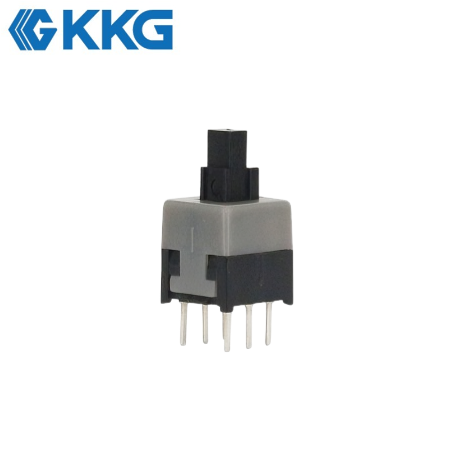
The outer housing of a Push Button Switch button is commonly made from high-quality plastic materials such as nylon, polycarbonate, or ABS. These plastics provide excellent insulation, impact resistance, and heat tolerance while keeping the switch lightweight and cost-effective. In industrial environments, some heavy-duty push switches use stainless steel or aluminum housings for additional durability and protection against harsh conditions.
Metal materials are especially important inside the switch mechanism. The internal conductive terminals of a push switch are usually made from copper alloys because copper offers excellent electrical conductivity. To improve corrosion resistance and signal stability, manufacturers often apply silver or gold plating to the contacts. Gold-plated contacts are commonly found in high-performance electronic switches where precise and stable signal transmission is critical.
The spring mechanism inside a push button power switch is typically made from stainless steel or phosphor bronze. These materials provide strong elasticity and long mechanical life, allowing the switch to maintain consistent tactile feedback after thousands or even millions of operations. High-quality spring materials are essential for ensuring smooth button movement and reliable electrical contact.
Rubber and silicone materials are also widely used in modern switch designs. Many waterproof or dustproof push button switches include silicone sealing rings or rubber membranes to prevent moisture and contaminants from entering the internal components. These protective materials are especially important in automotive electronics, outdoor equipment, and industrial control systems where environmental protection is required.
For a Momentary Push Button Switch, the actuator mechanism is designed to return automatically after being pressed. This type of switch often uses precision-engineered plastic and metal combinations to provide accurate tactile response and fast recovery. Depending on the application, manufacturers may also use flame-retardant materials to improve safety in high-temperature environments.
Different industries require different material standards for push button switches. Medical devices often use highly durable and hygienic materials, while automotive switches require heat-resistant and vibration-resistant components. Industrial push button switches may include reinforced metal structures for heavy-duty operation and extended lifespan.
As electronic technology continues to evolve, manufacturers are developing more advanced materials to improve switch reliability, environmental resistance, and user experience. Whether used in consumer electronics or industrial automation systems, a well-designed push button switch combines high-quality plastics, conductive metals, durable springs, and protective sealing materials to deliver stable and long-lasting performance.