




Tact Switches and Push Button Switches are both widely used electronic components for controlling circuits. Although they work through a pressing action, their structures, applications, and performance characteristics are different.
For engineers, product designers, and electronic manufacturers, understanding the difference between a tact SWITCH vs push button switch helps select the right switch solution for different applications, including consumer electronics, industrial equipment, and control systems.
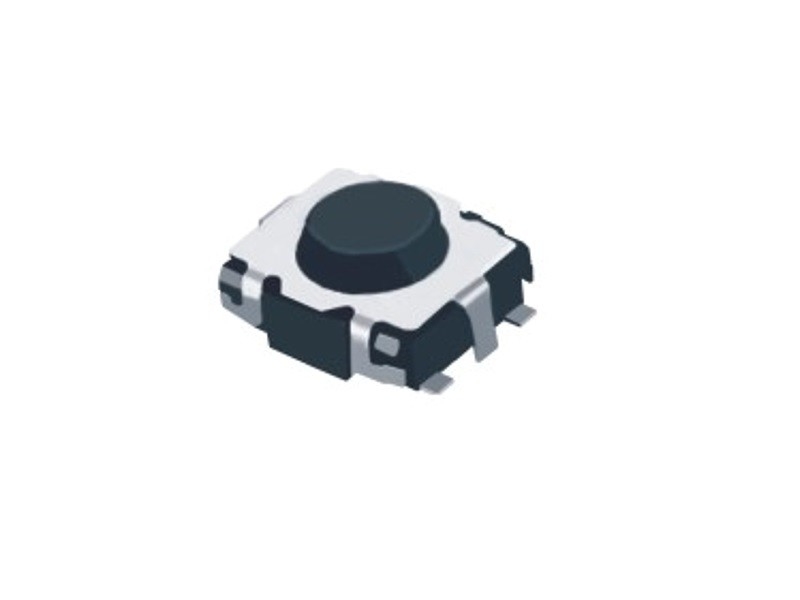
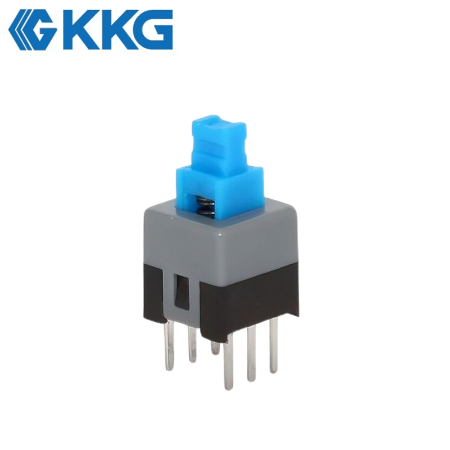
What Is a Tact Switch?
A tact switch, also called a tactile switch, is a compact momentary switch designed to provide an electrical signal when pressed. It is commonly mounted directly on a PCB and provides tactile feedback through a noticeable clicking feeling.
When the actuator is pressed, the internal contact mechanism closes the circuit. Once released, the switch returns to its original position and disconnects the circuit.
Because of its compact size and reliable operation, tact switches are widely used in electronic devices such as remote controls, keyboards, medical equipment, and control panels.
What Is a Push Button Switch?
A push button switch is a broader category of switch operated by pressing a button or actuator. Depending on the design, it can provide either momentary or latching operation.
Unlike standard tact switches, push button switches are available in various sizes and mounting styles, including PCB mounting and panel mounting. They are commonly used for equipment controls, power switches, industrial machines, and user interfaces.
Tact Switch vs Push Button Switch: Key Differences
| Feature | Tact Switch | Push Button Switch |
|---|---|---|
| Operation Type | Usually momentary operation | Momentary or latching operation |
| Size | Compact design for electronic devices | Available in small to large sizes |
| Mounting | Usually PCB mounted | PCB mount or panel mount |
| Feedback | Provides clear tactile click feedback | Depends on switch design |
| Application | Consumer electronics, control interfaces, compact devices | Industrial equipment, power control, machines |
How Does a Tact Switch Work?
A tact switch works through a simple mechanical contact structure. When pressure is applied to the actuator, the internal metal dome changes position and connects the electrical contacts.
The basic working process includes:
The actuator receives mechanical pressure
The contact dome moves and closes the circuit
The electrical signal is transmitted to the control system
The switch resets after the pressure is released
This simple structure provides reliable operation, fast response, and excellent tactile feedback.
How Does a Push Button Switch Work?
A push button switch operates by changing the connection state of an electrical circuit through mechanical movement.
Depending on the design, it can work as:
Momentary switch: The circuit works only while pressed
Latching switch: The switch maintains its ON/OFF state after pressing
This flexibility makes push button switches suitable for applications requiring more powerful control functions.
Applications of Tact Switches and Push Button Switches
Tact Switch Applications
Remote controls
Keyboards and keypads
Consumer electronics
Smart devices
Medical equipment
Control panels
Push Button Switch Applications
Industrial control equipment
Machine operation panels
Power control systems
Automotive applications
Electrical equipment
Which Switch Should You Choose?
The right choice between a tact switch and a push button switch depends on the application requirements.
Choose a Tact Switch When:
You need a compact PCB-mounted solution
The application requires frequent pressing operations
Tactile feedback is important
The circuit only requires signal input control
Choose a Push Button Switch When:
You need panel mounting
The switch requires higher power control
You need momentary or latching functions
A larger external actuator is required
How to Choose a Reliable Tact Switch Manufacturer?
For electronic product manufacturers, selecting a reliable tact switch manufacturer is essential for ensuring product quality and long-term performance.
A professional tactile switch supplier should provide:
Stable production capability
Strict quality control
Multiple specifications and designs
OEM and customization support
Reliable delivery for bulk orders
Professional manufacturers can also provide custom tact switches according to requirements such as size, operating force, actuator height, and mounting type.
Frequently Asked Questions About Tact Switches and Push Button Switches
Are tact switches and push button switches the same?
No. A tact switch is a type of push button switch, but push button switches include a wider range of designs. Tact switches are usually compact PCB-mounted switches with tactile feedback.
What is the main advantage of a tact switch?
The main advantages of a tact switch are compact size, reliable operation, quick response, and clear tactile feedback, making it suitable for electronic devices.
Can tact switches be customized?
Yes. A professional tact switch manufacturer can customize specifications such as dimensions, operating force, actuator design, and electrical performance.
Which switch is better for PCB applications?
For compact PCB applications requiring signal input, tact switches are usually the preferred choice because of their small size and easy integration.
The difference between a tact switch vs push button switch mainly lies in their structure, operation method, size, and applications. Tact switches are ideal for compact electronic products requiring tactile feedback, while push button switches are better suited for larger control applications.
Choosing the right switch solution depends on your product requirements, operating environment, and performance expectations. Working with an experienced tact switch manufacturer can help ensure reliable quality and customized solutions.
Contact Us
Looking for a reliable tact switch manufacturer or customized tactile switch solution? We provide professional switch design, OEM manufacturing, and customized solutions for electronic product companies worldwide.
From prototype development to mass production, our team can help you select the right switch for your application. Feel free to contact us to discuss your project requirements.