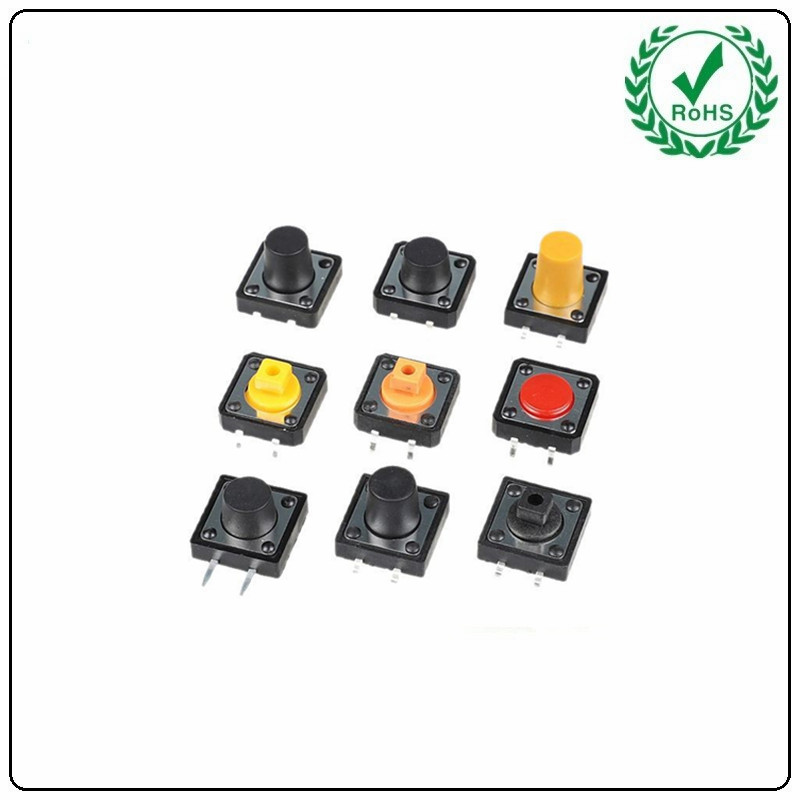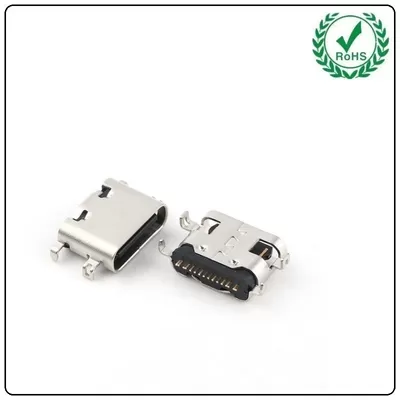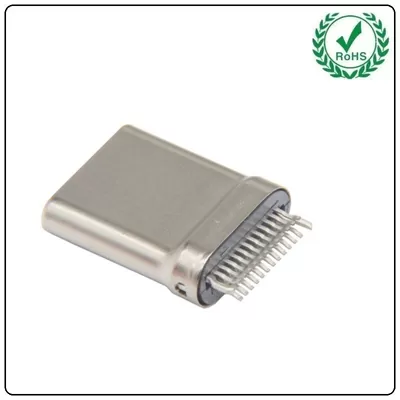


The 12×12 tact switch is a push-button switch measuring 12mm × 12mm. It operates via an internal metal spring leaf: when pressed, the leaf deforms to complete the circuit; upon release, tact switch 4 pin automatically springs back to break the circuit. This design requires no sustained pressure, making it suitable for brief, rapid touches by children. Each press sends a high/low-level pulse signal to the mainboard. For instance, in a children's voice-activated height measurer, this signal can be recognized by the microcontroller as a valid touch, triggering functions such as counting, voice feedback, or light prompts.
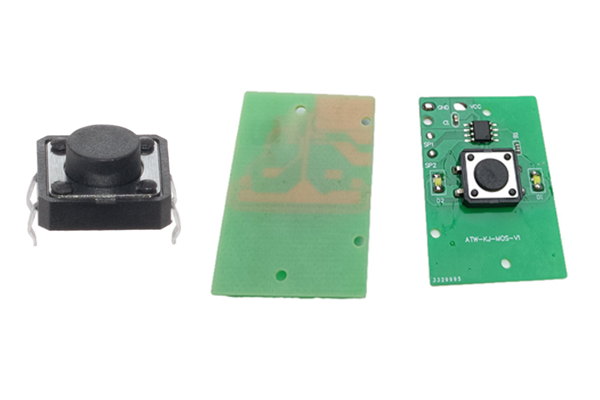
In the mainboard of the children's voice-activated height measurer, the tact switch smd primarily serves as the core component for trigger detection and functional control. Its specific functions and design
logic are as follows:
I. Core Function: Trigger Detection and Signal Input
Press-and-Release Mechanism
The tactile push button switch employs a metal spring leaf to achieve instantaneous circuit closure and breakage: When a child presses the panel, the spring leaf deforms to complete the circuit; upon release, it
automatically springs back to break the connection. This design requires no sustained pressure, aligning with children's brief, rapid touch habits while preventing false triggers from prolonged pressing.
Level Signal Conversion
Each press sends a high/low level pulse signal to the mainboard. For instance, in the height measurer, this signal can be recognized by a microcontroller (e.g., Yankun board) as a valid touch, triggering
functions like counting, voice feedback, or light prompts.
II. Synergy with Voice Technology
Voice Feedback Triggering
The touch switch signal directly activates voice chips. For instance:
Upon pressing, the mainboard detects the level change and immediately plays an encouraging voice prompt (e.g., “You jumped so high!”);
After reaching a preset count, a voice announcement confirms the goal is achieved (e.g., “You jumped 20 times today—great job!”).
Multimodal Interaction Enhances Engagement
Combined with RGB lights, buzzers, and other components, the touch switch enables composite feedback like “Press → Light Flash → Voice Announcement.” For example:
Pressing the switch changes the panel light color while playing sound effects;
After release, the voice chip provides varied feedback based on press duration or frequency (e.g., rapid presses trigger short sounds, long presses trigger sustained tones).