Are you a factory or a trading company?
Answer: We are a factory, we can guarantee our price is first hand, very cheap and competitive.
How is the quality control in your factory?
Answer: All products will be 100% checked before shipment.
How to contact us?
Tel: 86-13377785035
Wechat: kkg-vivian
Email: xyy@kkg.tw
WhatsApp: +8613377785035
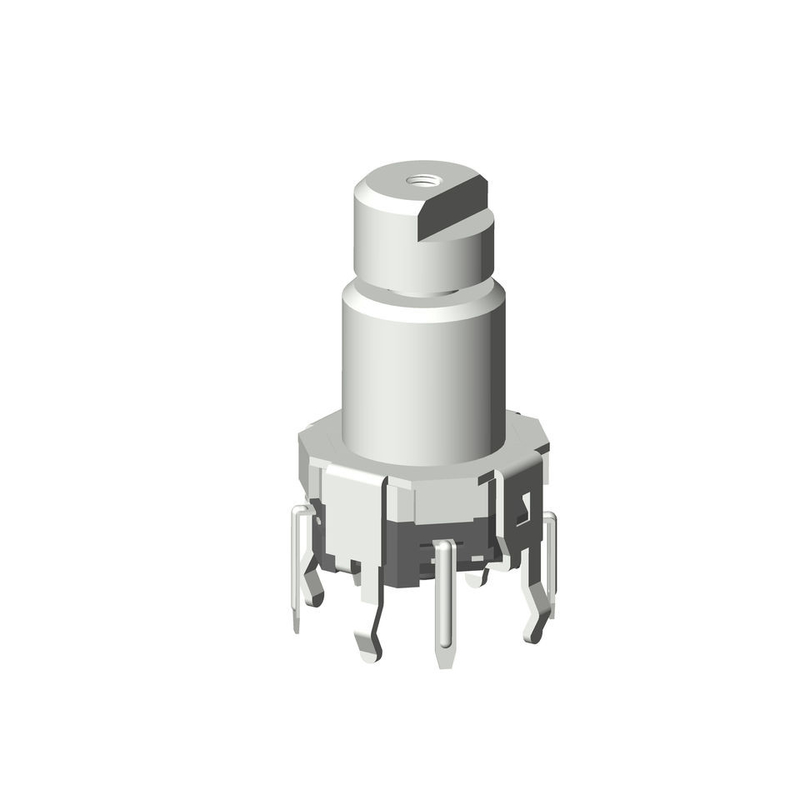
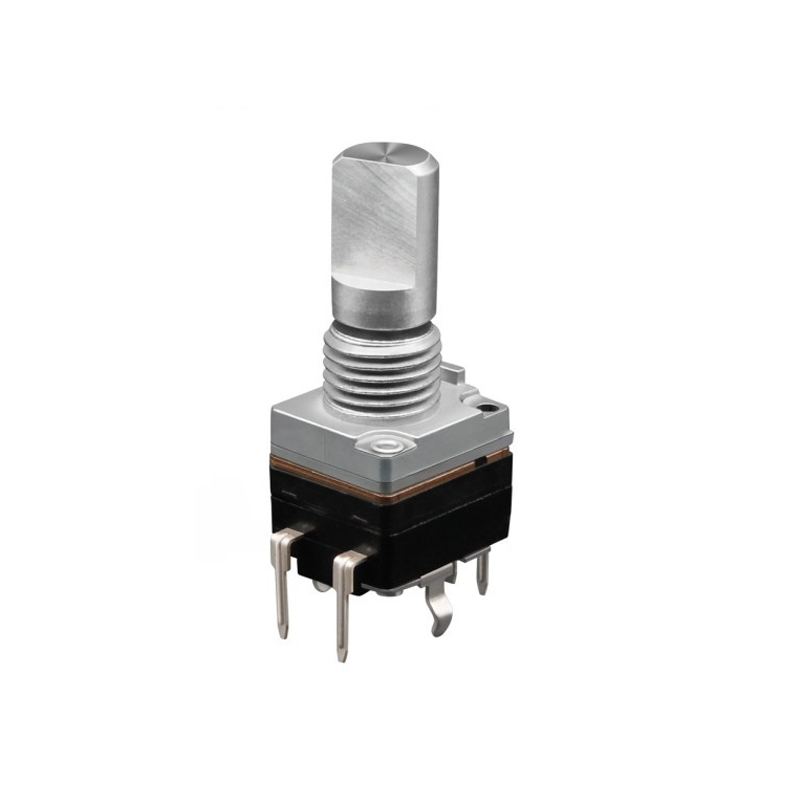
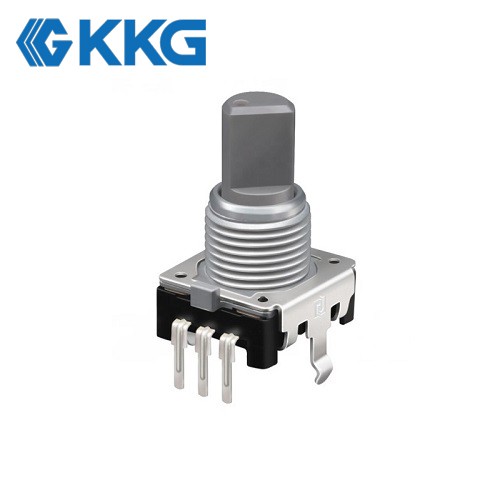
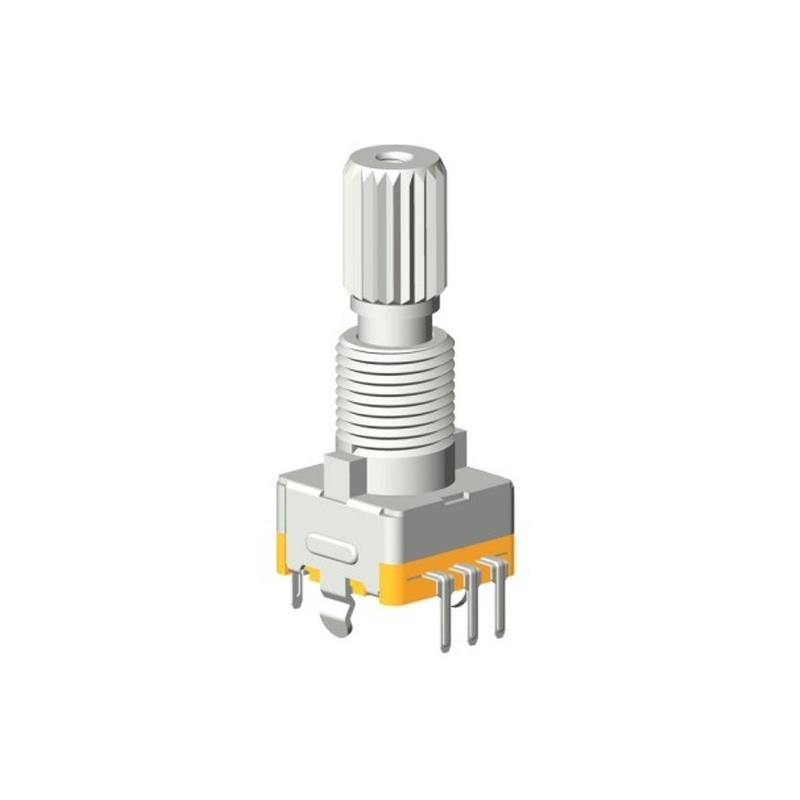
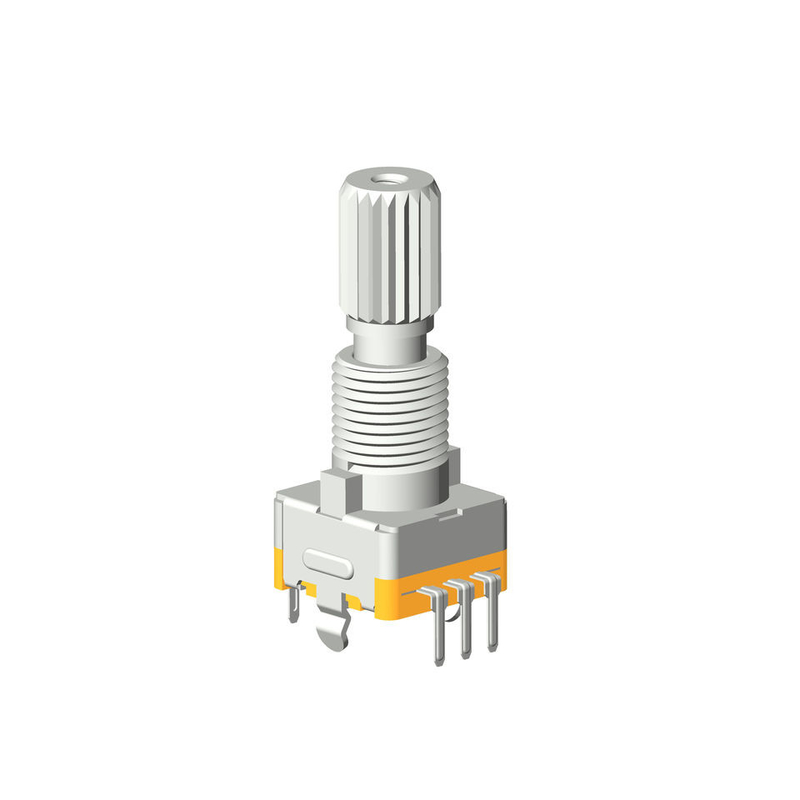
Shaft Encoders are essential precision sensors widely used in modern industrial automation systems.They convert mechanical rotation into electrical pulse signals,allowing equipment to accurately measure speed,angle,displacement,and distance.With high accuracy,fast response,and stable digital output,shaft encoders play a critical role in motion control applications across multiple industries.
Manufactured by Guangdong KKG Electronics,a professional encoder manufacturer with over 27 years of experience,these devices are designed for reliability,durability,and customization.KKG specializes in producing high-performance rotary encoders with advanced sensing technologies and strict quality control standards.
A shaft encoder is a sensor device that generates electrical pulse signals when a shaft rotates.These signals are used by control systems to calculate motion-related parameters such as:
Rotation speed
Angle position
Linear displacement
Distance measurement
Because of their precision and versatility,shaft encoders are widely used in industrial machinery,robotics,automation systems,and electronic control equipment.
The working process of a shaft encoder involves several key stages:
When the shaft rotates,the encoder outputs A and B phase pulse signals.These signals represent the direction and amount of rotation.
The control system reads these pulses to calculate speed,angle,or displacement in real time.
The encoder sends digital signals to the CPU or controller,ensuring fast and accurate feedback.
The system adjusts motor or equipment behavior based on encoder feedback,enabling precise motion control.
The use of a shaft encoder typically involves the following steps:
Before operation,the appropriate driver must be configured according to system requirements.This ensures the encoder functions correctly in different environments.Modifying driver files or register tables may be required depending on the application.
The encoder is connected through A and B signal output channels.Proper wiring ensures stable communication between the encoder and CPU.Voltage testing is recommended to confirm correct signal levels after installation.
A stream interface driver is often developed to record pulse changes and manage real-time data.This may include interrupt-based processing to ensure accurate signal capture.
Terminal service procedures help protect encoder signal lines and ensure stable system operation through proper CPU I/O initialization and interrupt management.
An optical shaft encoder uses light-based sensing technology to detect rotation.It provides high precision,fast response,and excellent signal stability,making it ideal for high-accuracy applications.
An absolute shaft encoder outputs a unique digital code for each position,allowing the system to retain exact position data even after power loss.This makes it highly suitable for applications requiring reliable position memory.
This type generates pulse signals based on movement.It is commonly used for speed and direction detection in industrial automation systems.
High precision pulse output
Fast response time
Compact and robust structure
Strong resistance to vibration and temperature changes
Long service life and stable performance
Customizable resolution and size
Low cost and easy integration
Modern shaft encoders are designed to withstand harsh industrial environments,including dust,condensation,vibration,and extreme temperatures.
Guangdong KKG Electronics provides advanced encoder solutions with the following advantages:
KKG has extensive expertise in designing and producing high-quality rotary encoders.
Magnetic and optical encoder technologies ensure stable performance even in dust,humidity,and vibration environments.
Customers can request customized pulse output,precision levels,shaft size,and structure design.
Encoders feature a simple structure,non-contact operation,and long operational life.
High reliability combined with competitive pricing makes KKG products suitable for global markets.
Used in CNC machines,conveyor systems,robotic arms,and automated production lines.
Provides precise feedback for speed and position control in servo motors and stepper systems.
Ensures accurate joint movement and positioning in robotic systems.
Used for distance,displacement,and angular measurement in precision instruments.
Applied in construction,mining,and industrial equipment requiring durable and reliable feedback systems.
A shaft encoder is a sensor that converts shaft rotation into electrical signals to measure position,speed,angle,or displacement in control systems.
Shaft encoders work by detecting rotation and generating pulse signals(A/B phases or digital codes).These signals are processed by a controller to calculate speed,direction,or position in real time.
To attach a shaft encoder:
Mount the encoder directly onto the rotating shaft(or use a coupling if needed)
Ensure proper alignment to avoid wobble or mechanical stress
Secure the housing firmly to the equipment panel or bracket
Connect signal wires(A,B,power,and ground)to the controller
Test rotation to confirm correct pulse output and direction
They are widely used in industrial automation,robotics,CNC machines,motor control systems,and measurement equipment.
An incremental encoder outputs pulses based on movement,while an absolute encoder provides a unique position value even after power loss.
They offer high accuracy,fast response,compact design,long service life,and reliable digital signal output.
Previous: Rotary Encoder Switch
Next: 14mm Hollow Encoder
Tel:
Add:
Rixing Industrial Zone,Tangxia Town, Dongguan City, Guangdong Province, China


Copyright © 2026 KKG ELECTRONICS ELECTRIC C0., LTD. All rights reserved
Privacy policy Cookie tracking