




A push button starter is a simple and practical control component used to start electrical equipment, motors, machines, and other systems. Compared with a traditional maintained SWITCH, a push button starter can provide momentary control and can be integrated with relays, contactors, control circuits, and safety systems.
Understanding how to wire a Push Button Switch correctly is important for both equipment manufacturers and maintenance technicians. The exact wiring method depends on the type of push button, the control voltage, the load, and whether a relay or contactor is used. This guide explains the basic principles, terminal identification, wiring methods, and common mistakes to help you understand push button starter wiring.
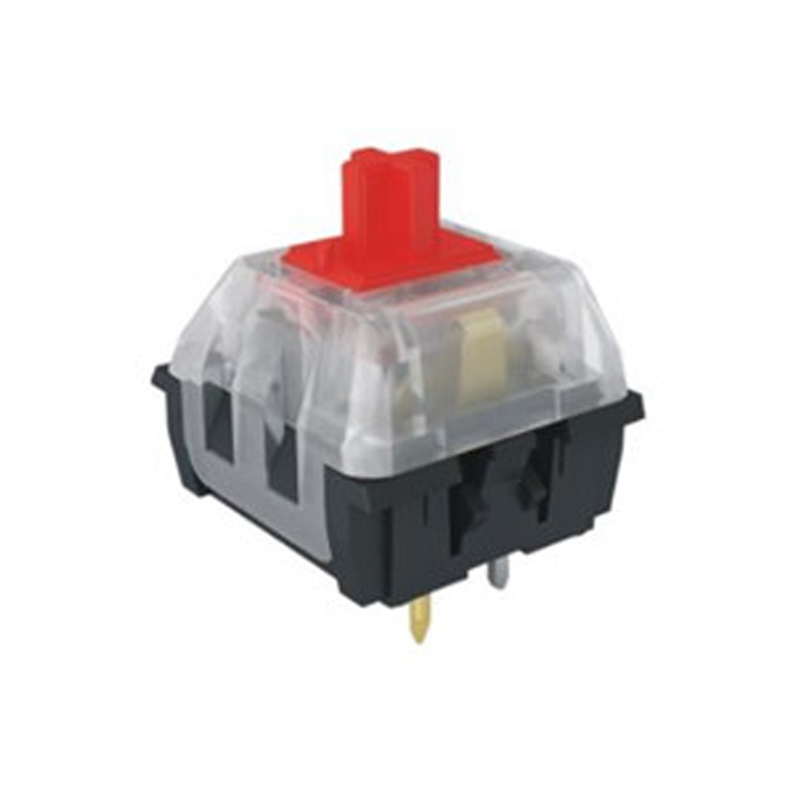
1. What Is a Push Button Starter?
A push button starter is a control device that allows an operator to start or activate an electrical circuit by pressing a button. Most push button starters use a momentary switching mechanism, meaning the electrical contacts change state while the button is pressed and return to their original state when it is released.
Push button starters are commonly used in industrial machinery, control panels, pumps, compressors, power equipment, automation systems, and other electrical applications.
Depending on the design, a push button may contain normally open (NO) contacts, normally closed (NC) contacts, or both. Understanding these contact types is the first step in learning how to wire a push button starter.
2. How Does a Push Button Starter Work?
A basic push button starter controls a circuit by opening or closing electrical contacts. When the button is pressed, the contacts change their normal state and allow or interrupt current according to the circuit design.
For a simple start function, a normally open push button switch is commonly used. The circuit remains open when the button is not pressed. Pressing the button closes the circuit and sends a control signal to the connected device.
In many industrial applications, the push button does not directly switch the main motor current. Instead, it controls a relay or contactor. The relay or contactor then switches the higher-power load.
3. Understand NO and NC Terminals
Before wiring a push button switch, identify the terminals correctly. The two most common contact configurations are normally open and normally closed.
Normally Open (NO)
A normally open contact remains open when the button is in its normal, unpressed position. When the button is pressed, the contact closes and allows current to flow through the control circuit.
NO contacts are commonly used for start buttons, activation buttons, and momentary control functions.
Normally Closed (NC)
A normally closed contact remains closed when the button is not pressed. When the button is pressed, the contact opens and interrupts the circuit.
NC contacts are commonly used for stop functions, reset circuits, and certain safety-related control applications.
Always check the markings on the specific push button before wiring. Terminal numbers and contact arrangements can vary between manufacturers and product designs.
4. Components You May Need
A basic push button starter circuit may include several components depending on the application.
Push button switch
Power supply or control power source
Relay or contactor
Motor or electrical load
Overload protection where required
Fuse or circuit breaker
Control wiring
Terminal blocks or CONNECTORs
For a small low-power application, a push button may directly control the load if the switch is properly rated for that load. For motors and other high-current equipment, a properly rated contactor or relay is generally used so that the push button only controls the lower-power control circuit.
5. Basic Push Button Starter Wiring
A simple push button starter circuit can be understood using a normally open contact. The control power passes through the push button and then to the controlled device, such as a relay coil.
In a simplified circuit, one side of the control power is connected to one terminal of the push button. The other push button terminal is connected to the control input or relay coil. The remaining side of the control circuit returns to the appropriate power supply terminal.
When the button is pressed, the normally open contacts close and complete the control circuit. When the button is released, the contacts open again.
The actual wiring must always follow the manufacturer's wiring diagram and the electrical requirements of the equipment. Do not assume that terminal numbers are identical across different push button models.
6. Push Button Starter With a Contactor
For motor starters and industrial equipment, a contactor is often used between the control circuit and the motor. In this arrangement, the push button controls the contactor coil instead of directly switching the motor's operating current.
When the start button is pressed, the control circuit energizes the contactor coil. The contactor then closes its power contacts and supplies power to the motor or other connected equipment.
This arrangement provides several advantages, including separation between the control circuit and the higher-power load circuit, easier integration with overload protection, and more flexible machine control.
7. Push Button Start and Stop Circuit
A common industrial control arrangement uses both a start button and a stop button. The start button typically uses a normally open contact, while the stop button typically uses a normally closed contact.
When the start button is pressed, the contactor coil is energized. An auxiliary contact on the contactor can then be used to maintain the control circuit after the operator releases the start button. This is commonly known as a holding or seal-in circuit.
Pressing the stop button opens the control circuit and de-energizes the contactor, causing the load to stop.
This type of circuit is widely used in motor control panels and industrial machinery. However, the actual implementation should be designed according to the applicable electrical standards and the equipment manufacturer's requirements.
8. How to Wire a Momentary Push Button Switch
A momentary push button switch returns to its original position after the operator releases it. This makes it suitable for applications where the button only needs to send a temporary control signal.
For a basic momentary start function, use the normally open terminals. Connect the control supply to one side of the contact and the control input to the other side. Pressing the button temporarily closes the circuit.
If the connected equipment requires the signal to remain active after the button is released, an external relay, contactor, latching circuit, or electronic control system may be required.
9. How to Identify Push Button Terminals
Before making any connection, inspect the markings on the push button. Many products identify terminals using numbers or abbreviations such as NO, NC, COM, C, or other manufacturer-specific markings.
If the terminal configuration is not obvious, consult the product datasheet or use an appropriate continuity test with the circuit completely disconnected from power.
For example, a multimeter continuity test can help determine which terminals are connected when the button is pressed and which terminals are connected when the button is released. Never perform resistance or continuity testing on an energized circuit.
10. Common Push Button Starter Wiring Mistakes
Using the Wrong Contact Type
One of the most common mistakes is confusing normally open and normally closed contacts. Using an NC contact when an NO contact is required can cause the control circuit to operate in the opposite way from what was intended.
Ignoring the Electrical Rating
Every push button switch has electrical ratings. The voltage and current requirements of the circuit must remain within the switch's rated operating conditions.
Connecting a High-Power Load Directly
A small push button should not automatically be assumed to be suitable for switching a motor or other high-current load directly. Always check the switch rating and consider using a relay or contactor when required.
Failing to Check the Terminal Configuration
Push buttons from different manufacturers can have different terminal arrangements. Always verify the product drawing before connecting wires.
Ignoring Protection
Electrical circuits should include appropriate protection such as fuses, circuit breakers, overload protection, or other protective devices according to the application and applicable electrical standards.
11. Push Button Starter Safety Considerations
Electrical wiring can involve dangerous voltages and currents. Before working on a push button starter circuit, disconnect the power source and verify that the circuit is de-energized using appropriate test equipment.
For industrial equipment, the circuit should be designed and installed by a qualified person familiar with the applicable electrical codes and safety requirements.
Do not rely solely on the push button to provide electrical isolation. A proper disconnecting device should be used when servicing equipment.
For emergency-stop functions and other safety-critical applications, use appropriately rated safety components and follow the required safety standards rather than treating a standard push button as an emergency-stop device.
12. How to Test a Push Button Starter
After wiring, the circuit should be inspected before energizing the equipment. Check that all terminals are correctly connected and that wires are securely fixed.
For a basic control circuit, verify the operation of the push button using the appropriate test method. Confirm that the NO contact closes when the button is pressed and that the NC contact opens when the button is pressed.
After the wiring has been verified, the complete system can be tested according to the equipment manufacturer's commissioning procedure. Watch for unexpected operation, abnormal heating, loose connections, or unusual sounds.
13. Choosing the Right Push Button Switch
If you are sourcing a push button switch for equipment manufacturing or industrial applications, consider more than the button's appearance. Important specifications may include contact configuration, rated voltage, rated current, mounting size, button type, operating force, mechanical life, electrical life, protection rating, terminal style, and operating environment.
For OEM applications, manufacturers may also require customized button colors, symbols, dimensions, terminal configurations, illumination, cable assemblies, or other design features.
Working with an experienced push button switch manufacturer can make it easier to select a suitable product based on the equipment's electrical and mechanical requirements.
14. Conclusion
Learning how to wire a push button starter starts with understanding the switch's contact configuration and the requirements of the control circuit. A normally open contact is commonly used for start functions, while normally closed contacts are often used for stop functions.
For simple low-power applications, a properly rated push button may control the circuit directly. For motors and higher-power equipment, a relay or contactor can provide a safer and more practical control method.
Before installation, always confirm the push button's electrical rating, terminal configuration, wiring diagram, and application requirements. Proper component selection and wiring practices can improve reliability while reducing the risk of electrical faults.
FAQ
What type of push button is commonly used for a starter?
A normally open momentary push button is commonly used as a start button. When pressed, it temporarily closes the control circuit and sends a start signal.
What is the difference between NO and NC push buttons?
NO means normally open and the contact closes when the button is activated. NC means normally closed and the contact opens when the button is activated.
Can a push button directly control a motor?
It depends on the motor, switch rating, and circuit design. A push button should not be used to directly switch a high-current motor unless it is specifically rated and designed for that application. A properly rated contactor or relay is commonly used for motor control.
How do I know which terminals to connect?
Check the markings and wiring diagram supplied by the manufacturer. If necessary, use a continuity test on a completely de-energized circuit to identify the NO and NC contacts.
What should I consider when buying a push button switch?
Important factors include contact configuration, voltage and current rating, mounting dimensions, operating life, protection rating, terminal type, operating environment, and whether the product needs to meet specific OEM or certification requirements.