




Buying AC Power Sockets in bulk requires more than simply comparing unit prices. For OEM manufacturers, electrical equipment suppliers, distributors, wholesalers, and importers, the right AC power SOCKET must match the electrical requirements, installation structure, safety standards, and application environment of the final product. Choosing the wrong specification can result in compatibility problems, delayed production, quality issues, or unnecessary procurement costs.
Whether you are purchasing standard AC power sockets or looking for a custom AC power socket for an OEM project, several factors should be evaluated before placing a large order. This guide explains the key points buyers should consider when sourcing AC power sockets in bulk.
1. Determine the Right AC Power Socket Type
The first step is to identify the socket type required for your equipment. AC power sockets are available in different structures and mounting configurations, and the correct choice depends on how the socket will be installed and used.
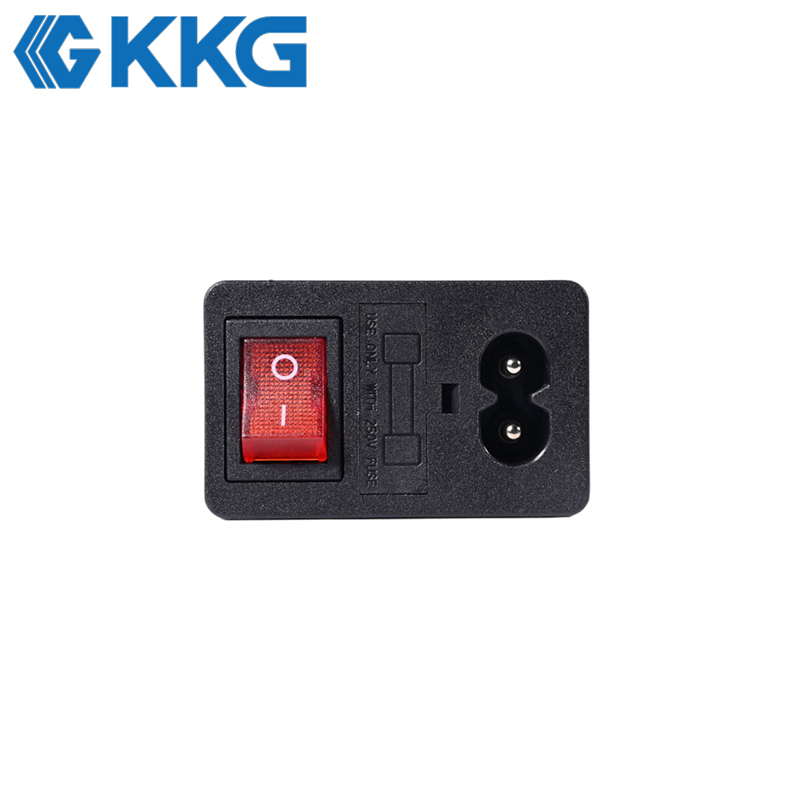
Common options include panel mount AC power sockets, PCB mount AC sockets, AC inlet sockets, IEC power sockets, and AC power sockets with SWITCHes or fuses. Each type is designed for different equipment structures and installation requirements.
Before contacting an AC power socket supplier, confirm the mounting method, panel cutout, terminal configuration, available installation space, and connection method. Providing drawings or samples can also help the manufacturer recommend a suitable product.
2. Check Voltage and Current Ratings
Electrical ratings are among the most important specifications when buying an AC socket in bulk. The socket should be capable of handling the voltage and current required by the final application.
Buyers should confirm the rated voltage, rated current, frequency, and applicable electrical requirements before ordering. A socket that looks physically compatible may still be unsuitable if its electrical rating does not match the equipment.
For this reason, avoid selecting a product based only on appearance or price. A professional AC power socket manufacturer should be able to provide detailed electrical specifications and technical documentation for evaluation.
3. Confirm Dimensions and Mounting Requirements
Mechanical compatibility is just as important as electrical performance. An AC power socket must fit correctly into the equipment housing, panel, PCB, or enclosure.
Important dimensions may include the overall socket size, panel cutout dimensions, mounting hole position, socket depth, terminal spacing, and PCB footprint. These details should be confirmed before mass production.
For equipment manufacturers, even a small dimensional difference can create installation problems. When purchasing panel mount AC power sockets or PCB-mounted products, it is recommended to compare the supplier's technical drawing with your equipment design.
4. Evaluate Material and Manufacturing Quality
Material selection directly affects the durability, safety, and service life of an AC power socket. The housing, terminals, contacts, insulation components, and other internal parts should be manufactured from materials appropriate for the intended application.
Buyers should pay attention to factors such as heat resistance, mechanical strength, electrical insulation, contact reliability, corrosion resistance, and durability under repeated use.
For high-volume procurement, it is especially important to work with a manufacturer that has a consistent quality control system. Stable raw material sourcing and standardized production processes can help ensure that products from different batches maintain consistent performance.
5. Check Certifications and Safety Standards
Certification requirements can vary according to the destination market and final application. Before placing a bulk order, buyers should determine which standards and certifications are required for their products.
Depending on the market and application, relevant requirements may include UL, CE, RoHS, IEC, VDE, or other applicable standards. However, not every certification is required for every product, so buyers should confirm the specific compliance requirements of their target market.
When evaluating an AC power socket supplier, ask for available certification documents, test reports, and technical specifications. This can help reduce compliance risks when importing or integrating the socket into finished equipment.
6. Ask About MOQ for Bulk Orders
Minimum order quantity, or MOQ, is an important factor in bulk purchasing. Standard AC power sockets and customized products may have different MOQ requirements.
For standard products, the MOQ may depend on existing inventory and production schedules. For custom AC power sockets, the MOQ may be affected by tooling, material preparation, packaging, and production setup.
Before ordering, ask the supplier about the MOQ for samples, trial orders, standard products, and customized products. If you are testing a new supplier, starting with samples or a small trial order can be a practical way to evaluate product quality before moving to larger quantities.
7. Compare the Total Procurement Cost
The lowest unit price does not necessarily represent the lowest overall procurement cost. When comparing different suppliers, buyers should consider the complete cost structure.
Unit price
Tooling or mold cost
Customization cost
Packaging cost
Testing and certification costs
Shipping and logistics costs
Potential replacement or quality-related costs
A slightly higher-quality AC socket may provide better reliability and lower replacement costs over the product's service life. For B2B buyers, evaluating total procurement value is generally more useful than comparing unit prices alone.
8. Consider Customization and OEM Requirements
If standard products cannot fully meet your equipment requirements, customization may be a better option. Many professional manufacturers can provide OEM or ODM solutions based on the buyer's technical requirements.
Depending on the manufacturer, customization may include housing color, logo, terminal configuration, switch or fuse options, wire or cable configuration, mounting structure, packaging, and other product details.
When discussing an OEM AC power socket project, provide as much technical information as possible. Product drawings, electrical requirements, installation dimensions, application environment, and expected annual quantity can help the manufacturer evaluate the project more accurately.
9. Check Production Capacity and Lead Time
For bulk procurement, production capacity and delivery reliability are critical. A supplier may offer an attractive price, but if the manufacturer cannot maintain your required production schedule, the resulting delays can affect your entire supply chain.
Ask about sample lead time, bulk production lead time, monthly production capacity, inventory availability, and production scheduling. For recurring orders, it is also useful to understand how the manufacturer handles fluctuations in demand.
A reliable AC power socket factory should be able to provide a realistic production schedule instead of simply offering an attractive delivery promise.
10. Evaluate the AC Power Socket Manufacturer
Choosing the right supplier is one of the most important decisions in bulk purchasing. Instead of evaluating manufacturers only by price, buyers should consider their production experience, technical capability, quality management, customization capability, and communication efficiency.
| Factor | What Buyers Should Check |
|---|---|
| Manufacturing experience | Experience producing AC power sockets and similar electrical components |
| Product range | Standard and customized AC power socket options |
| Quality control | Incoming material, production, assembly, and final inspection procedures |
| Certification | Applicable certifications and testing documentation |
| MOQ | MOQ for standard and customized products |
| Lead time | Sample and mass-production delivery schedules |
| Customization | OEM/ODM design and manufacturing capabilities |
| Technical support | Engineering assistance and product specification support |
| After-sales service | Response time and quality issue handling |
11. Request Samples Before Placing a Large Order
Even when a supplier provides complete specifications and attractive pricing, samples should be evaluated before committing to a large purchase whenever possible.
During sample evaluation, buyers can check dimensions, mounting compatibility, electrical performance, material quality, terminal connections, mechanical strength, and overall fit with the final equipment.
A practical procurement process is often:
Sample → Testing → Approval → Trial Order → Bulk Production
This approach allows buyers to identify potential problems before mass production and can significantly reduce procurement risks.
12. Ask the Supplier the Right Questions
Before placing an order, prepare a clear list of technical and commercial questions. This helps both sides understand the project requirements and reduces misunderstandings during production.
What is the rated voltage and current?
What mounting options are available?
What are the exact product dimensions?
What certifications are available?
What is the MOQ for standard products?
What is the MOQ for customized products?
Can the product be customized for OEM applications?
What is the sample lead time?
What is the bulk production lead time?
What quality inspection procedures are used?
Can technical drawings and samples be provided?
What packaging options are available?
13. Common Mistakes to Avoid When Buying AC Power Sockets in Bulk
Bulk buyers sometimes focus too heavily on price and overlook technical compatibility. Several common mistakes can be avoided with better preparation.
Choosing Based Only on Price
A low unit price may be attractive, but poor materials, inconsistent quality, or inadequate testing can result in higher long-term costs.
Ignoring Certification Requirements
Products intended for different countries or industries may have different compliance requirements. Always confirm the applicable standards before production.
Not Checking Mechanical Compatibility
Even a high-quality AC power socket is not useful if its dimensions or mounting structure do not match your equipment.
Skipping Sample Testing
For customized or high-volume orders, approving samples before mass production can help identify problems at an early stage.
Working With a Supplier Without Stable Production Capacity
Bulk purchasing requires reliable supply. A supplier should have sufficient manufacturing capacity and quality control to maintain consistent product performance across multiple batches.
14. Final Checklist for Bulk AC Power Socket Buyers
AC power socket type
Rated voltage and current
Dimensions and mounting method
Material and construction
Required certifications
MOQ
Unit price and total procurement cost
Customization requirements
Sample approval
Production lead time
Quality inspection process
Packaging and shipping requirements
Supplier production capacity
Buying AC power sockets in bulk is a technical and commercial decision. The best supplier is not necessarily the one offering the lowest price, but the one that can consistently provide the right specifications, reliable quality, appropriate certifications, stable production capacity, and responsive technical support.
For OEM manufacturers, distributors, and electrical equipment companies, evaluating the socket type, electrical ratings, dimensions, materials, certifications, MOQ, customization options, and delivery capability before ordering can help reduce procurement risks and improve long-term supply stability.
If you are sourcing AC power sockets for electrical equipment, control panels, power supplies, or other OEM applications, working directly with an experienced AC power socket manufacturer can make product selection, customization, quality control, and bulk production more efficient.
FAQ
What is the MOQ for bulk AC power sockets?
MOQ depends on whether you are purchasing a standard product or a customized AC power socket. Standard products may have a lower MOQ, while customized products may require a higher quantity because of tooling, material preparation, and production setup.
Can AC power sockets be customized for OEM applications?
Yes. Depending on the manufacturer, custom options may include dimensions, housing color, logo, terminals, switches, fuses, wires, mounting structures, and packaging.
Should I request samples before bulk purchasing?
Yes. Sample testing is especially recommended for new suppliers, customized products, and high-volume orders. It allows buyers to verify electrical performance, dimensions, installation compatibility, and overall product quality before mass production.
How do I choose a reliable AC power socket supplier?
Consider manufacturing experience, product quality, certifications, production capacity, customization capability, MOQ, lead time, technical support, and after-sales service rather than focusing only on unit price.