




Choosing the right Surface Mount Push SWITCH for a PCB design is not only about size. Engineers and product developers also need to consider operating force, mounting style, durability, and the final user experience. A well-selected SMD Push Switch can improve reliability, save board space, and support efficient automated assembly.
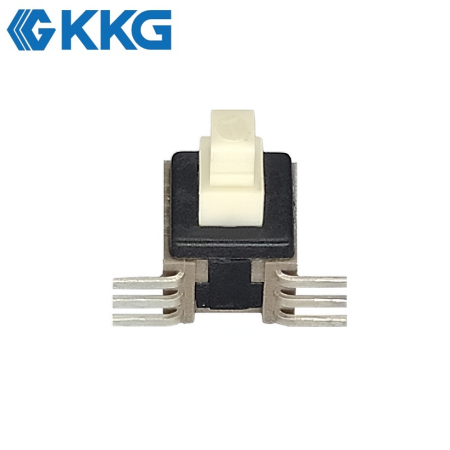
The first step is to check the layout requirements of the PCB. A compact product usually needs a low-profile SMT Push Switch that fits tight board spacing without affecting nearby components. For portable electronics, a Surface Mount Tactile Switch is often preferred because it delivers quick feedback and stable performance in a small package.
Next, consider the actuation feel and electrical life. A good SMD tactile switch should provide clear tactile feedback so users know the command has been activated. It is also important to match the switch life cycle with the product application. Consumer devices, industrial controls, and communication equipment may all require different durability levels.
Designers should also review solderability and assembly conditions. A high-quality Surface Mount Push Switch should be compatible with standard reflow soldering and maintain stable contact performance after mounting. In addition, environmental resistance matters. If the product may face dust, vibration, or frequent use, selecting a sealed SMD Push Switch or durable SMT Push Switch can help extend service life.
In the end, the right Surface Mount tactile switch or SMD Tactile Switch is the one that balances size, feel, reliability, and manufacturing efficiency. By choosing carefully, designers can create PCB products that perform better and last longer.