




A Tact Switch is a compact electronic component widely used in modern devices to provide precise and responsive input control. Known for its distinct tactile feedback, a tactile SWITCH allows users to feel a slight click when pressed, ensuring accurate operation. These switches are commonly found in consumer electronics, industrial equipment, and various PCB-based applications. Understanding the different types of Tact Switches can help engineers and buyers choose the right component for their specific needs.
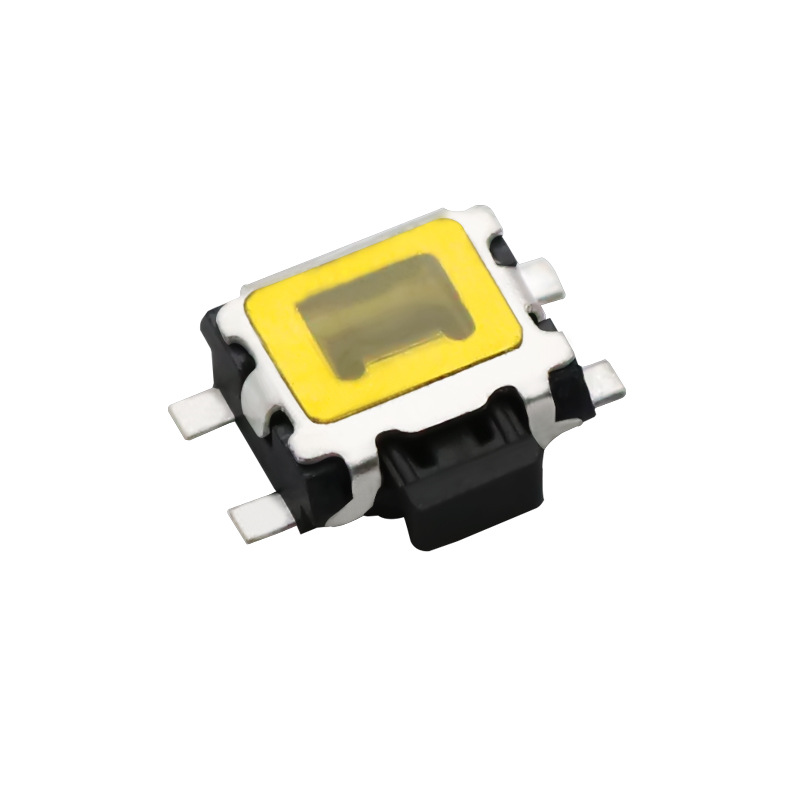
One of the most common types is the momentary Tact Switch, which only remains active while being pressed. Once released, it returns to its original position, making it ideal for applications such as keyboards, remote controls, and control panels. This type of tactile switch is preferred for its reliability and quick response in circuits that require temporary activation.
Another widely used option is the push button tact switch. This type is designed with an external button cap that makes it easier to operate, especially in user-facing devices. A push button tact switch is often used in household appliances, medical equipment, and consumer electronics where ease of use and durability are essential. Its ergonomic design improves user interaction while maintaining the functionality of a standard tact switch.
The micro tact switch is a smaller version designed for compact electronic devices. Due to its miniature size, it is commonly used in smartphones, wearable devices, and other space-constrained applications. Despite its small form factor, a micro tact switch still provides reliable tactile feedback and consistent performance, making it a key component in modern electronics.
In addition to these types, tact switches can also be categorized based on mounting style, such as surface-mount (SMD) and through-hole designs. Each type of tactile switch offers different advantages in terms of installation, durability, and application requirements. Selecting the right configuration ensures optimal performance and long-term reliability.
Overall, the various types of tact switch options, including momentary tact switch, push button tact switch, and micro tact switch, provide flexibility for different electronic applications. By understanding their features and differences, users can choose the most suitable tactile switch to enhance the functionality and efficiency of their devices.