




Wireless microphones have become essential tools in professional audio systems,live performances,conferences,education,and entertainment applications.Although the microphone capsule and wireless transmission module receive most attention,small electronic components such as the tactile SWITCH for wireless microphone also play an important role in user experience and product reliability.
A high-quality tactile switch controls key functions such as power activation,mute switching,pairing,channel selection,and mode adjustment.Choosing the right microphone tactile switch requires careful consideration of size,operating force,durability,electrical performance,and installation requirements.
This guide explains the key factors to consider when selecting a tactile switch for wireless microphone applications.
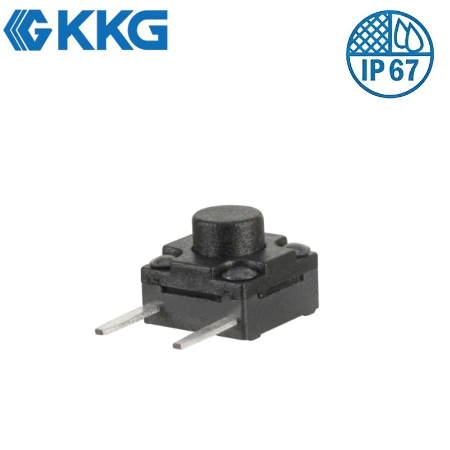
What Is a Tactile Switch for Wireless Microphone?
A tactile switch is a momentary Push Button Switch that provides a physical click feedback when pressed.Unlike traditional Toggle Switches,tactile switches are usually mounted directly on a PCB and only activate when pressure is applied.
In wireless microphones,a tactile switch is commonly used for:
Power on/off control
Mute function
Frequency adjustment
Channel selection
Volume control
Pairing operations
Because wireless microphones require compact designs,manufacturers often choose mini tactile switches or SMD tactile switches to save space while maintaining reliable operation.
Why Is Choosing the Right Tactile Switch Important?
The tactile switch may appear to be a small component,but it directly affects the overall performance of the wireless microphone.
1.User Experience
The pressing feeling of a switch influences how users interact with the microphone.
A good tactile switch should provide:
Clear click feedback
Smooth operation
Appropriate pressing force
Consistent tactile response
A switch that feels too stiff or too loose can reduce product quality perception.
2.Product Reliability
Wireless microphones are frequently used in:
Stage performances
Karaoke systems
Meetings
Public speaking events
The switch needs to withstand repeated operation without failure.
Important factors include:
Mechanical life cycle
Contact reliability
Material quality
Environmental resistance
3.Compact Product Design
Modern wireless microphones require smaller internal components to achieve lightweight and ergonomic designs.
A suitable miniature tactile switch helps manufacturers:
Reduce PCB space
Improve internal layout
Create thinner designs
Lower assembly difficulty
Key Factors When Choosing a Tactile Switch for Wireless Microphone
1.Switch Size and Mounting Type
The first consideration is whether the switch fits the PCB design.
Common tactile switch types include:
SMD Tactile Switch
Advantages:
Compact size
Suitable for automated assembly
Ideal for small wireless devices
Applications:
Wireless microphones
Bluetooth audio devices
Portable electronics
Through-Hole Tactile Switch
Advantages:
Strong mechanical stability
Suitable for applications requiring higher mounting strength
Before selecting a switch,check:
Length
Width
Height
Terminal design
PCB mounting method
2.Operating Force
Operating force refers to the pressure required to activate the switch.
Common options include:
Low force tactile switch
Medium force tactile switch
High force tactile switch
For wireless microphones,the ideal operating force depends on the application.
Lower Operating Force
Benefits:
Easier pressing experience
Suitable for frequently used buttons
Higher Operating Force
Benefits:
Prevents accidental activation
Provides stronger feedback
A professional tactile switch manufacturer can customize operating force according to product requirements.
3.Electrical Rating
The tactile switch must match the electrical requirements of the wireless microphone circuit.
Important specifications include:
Rated Voltage
Common applications include low-voltage electronic systems such as:
3V
5V
12V
Rated Current
The switch should safely handle the current passing through the circuit.
Selecting an unsuitable rating may cause:
Contact failure
Overheating
Reduced service life
4.Mechanical Life Cycle
Wireless microphones are often used hundreds or thousands of times during their lifespan.
A reliable tactile switch should provide:
Stable contact performance
Long operating life
Consistent pressing feel
Common life ratings include:
50,000 cycles
100,000 cycles
500,000 cycles
1,000,000 cycles
For professional audio equipment,choosing a long-life PCB tactile switch can significantly improve product durability.
5.Environmental Resistance
Wireless microphones may be used in different environments,including:
Outdoor performances
Conference rooms
Entertainment venues
The tactile switch should consider:
Dust Resistance
Prevents particles from affecting internal contacts.
Moisture Resistance
Helps improve reliability in humid environments.
Temperature Resistance
Ensures stable operation under different conditions.
For demanding applications,manufacturers may choose sealed or waterproof tactile switches.
6.Tactile Feedback and Sound
The click feeling of a tactile switch affects product interaction.
Important characteristics include:
Click strength
Return speed
Button travel distance
Operating noise
For stage microphones,silent or low-noise switches may be preferred to avoid unwanted mechanical sounds.
Tactile Switch vs Other Microphone Switch Types
| Feature | Tactile Switch | Slide Switch | Toggle Switch |
|---|---|---|---|
| Size | Small | Medium | Large |
| PCB Mounting | Excellent | Good | Limited |
| Feedback | Click feeling | Sliding action | Strong mechanical feel |
| Space Requirement | Low | Medium | High |
| Application | Compact electronics | Mode selection | Heavy-duty control |
For modern wireless microphones,tactile switches are preferred because they offer compact size,reliable operation,and easy PCB integration.
Applications of Tactile Switches in Wireless Audio Devices
Besides wireless microphones,tactile switches are widely used in:
Bluetooth speakers
Wireless karaoke microphones
Headsets
Audio controllers
Recording equipment
Portable sound systems
Their small footprint and reliable performance make them suitable for various consumer and professional audio products.
How to Select a Reliable Tactile Switch Manufacturer?
For audio equipment brands and electronics manufacturers,choosing the right supplier is essential.
A professional tactile switch manufacturer should provide:
Custom Design Capability
Including:
Custom dimensions
Customized operating force
Different button heights
Special terminal designs
Quality Control
Important quality standards include:
Electrical testing
Mechanical life testing
Contact resistance testing
Environmental testing
OEM/ODM Support
Experienced suppliers can support:
Prototype development
Small-batch production
Large-scale manufacturing
Product customization
Choosing the right tactile switch for wireless microphone applications requires careful evaluation of size,operating force,electrical specifications,durability,and environmental performance.
A reliable microphone tactile switch improves user experience,extends product lifespan,and ensures stable operation in professional audio environments.For wireless microphone manufacturers and audio equipment brands,working with an experienced tactile switch supplier provides access to customized solutions that meet specific design and performance requirements.
FAQ
Q1:What type of switch is commonly used in wireless microphones?
Mini tactile switches and SMD tactile switches are commonly used because they are compact,lightweight,and suitable for PCB installation.
Q2:How long does a microphone tactile switch last?
The lifespan depends on the design and quality.Many professional tactile switches can support hundreds of thousands of operating cycles.
Q3:Can tactile switches be customized for wireless microphones?
Yes.Manufacturers can customize size,operating force,button height,terminal structure,and electrical specifications.
Q4:What is the difference between a tactile switch and a push button switch?
A tactile switch is usually a small PCB-mounted momentary switch with click feedback,while a push button switch can have larger structures and different mounting methods.