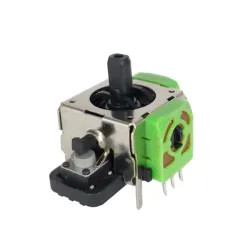
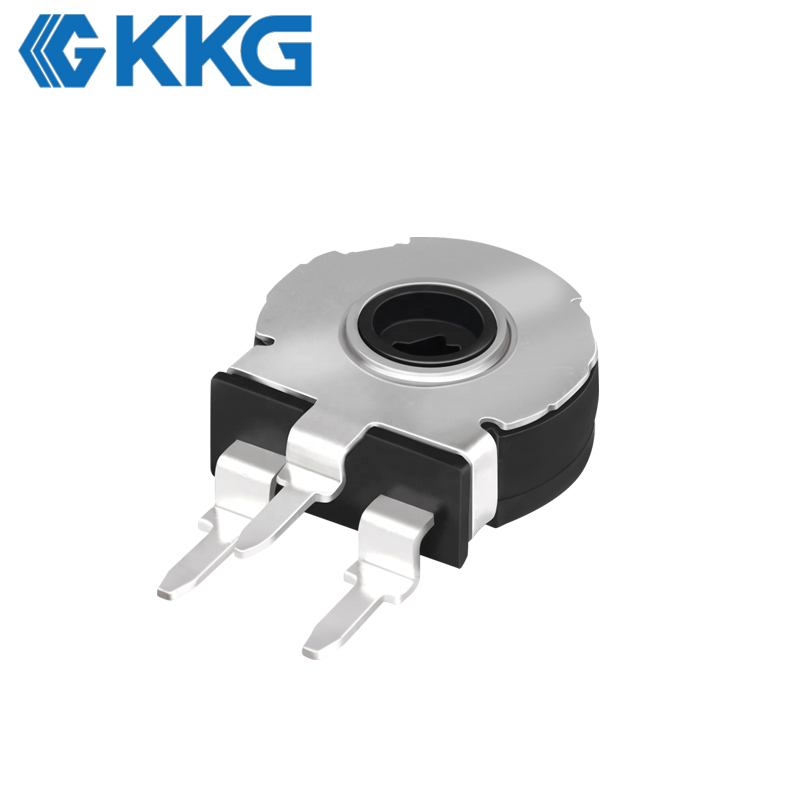
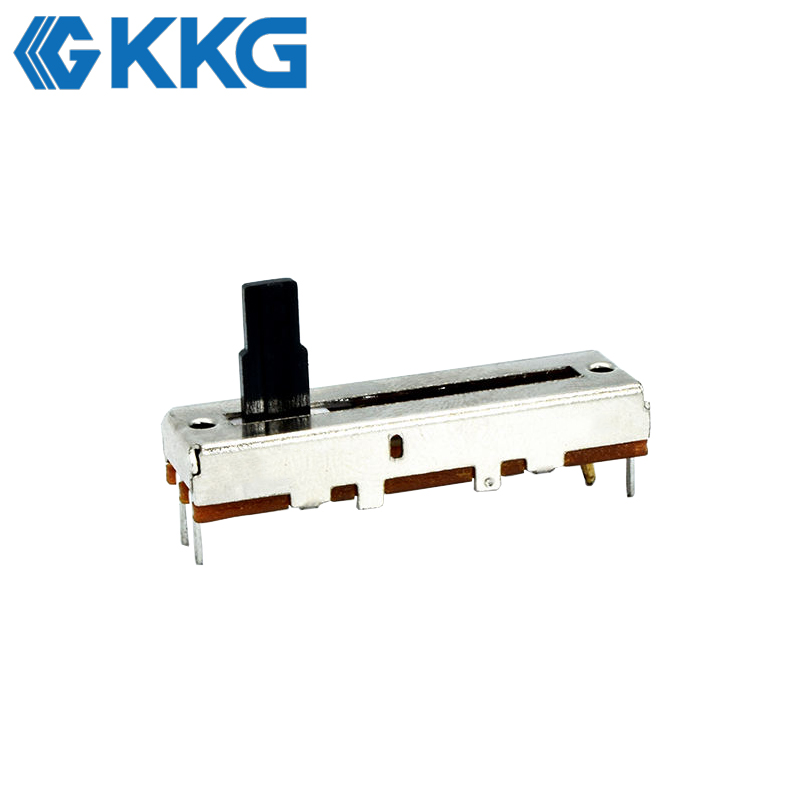
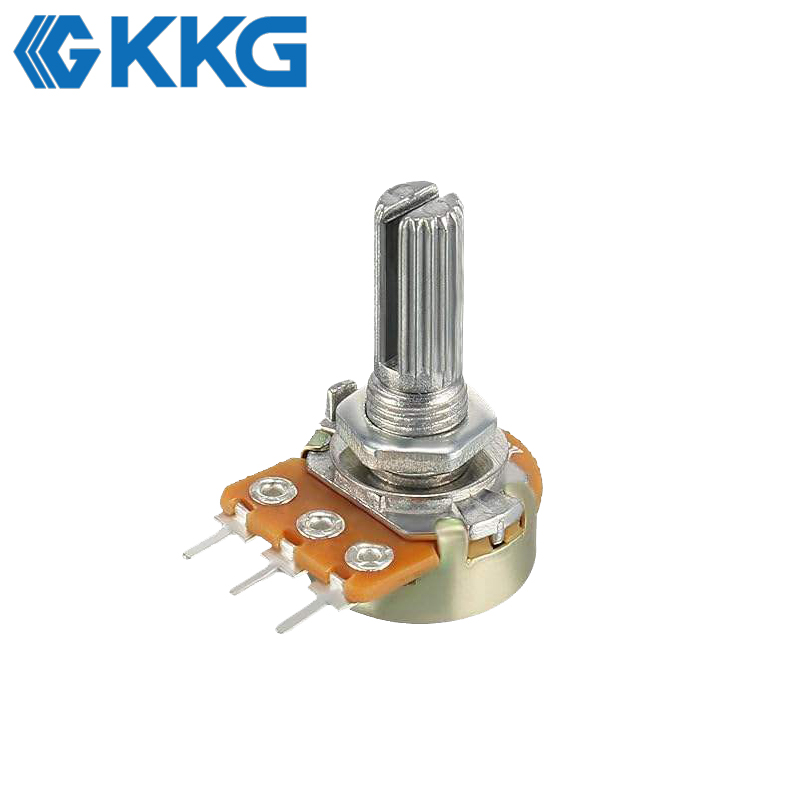
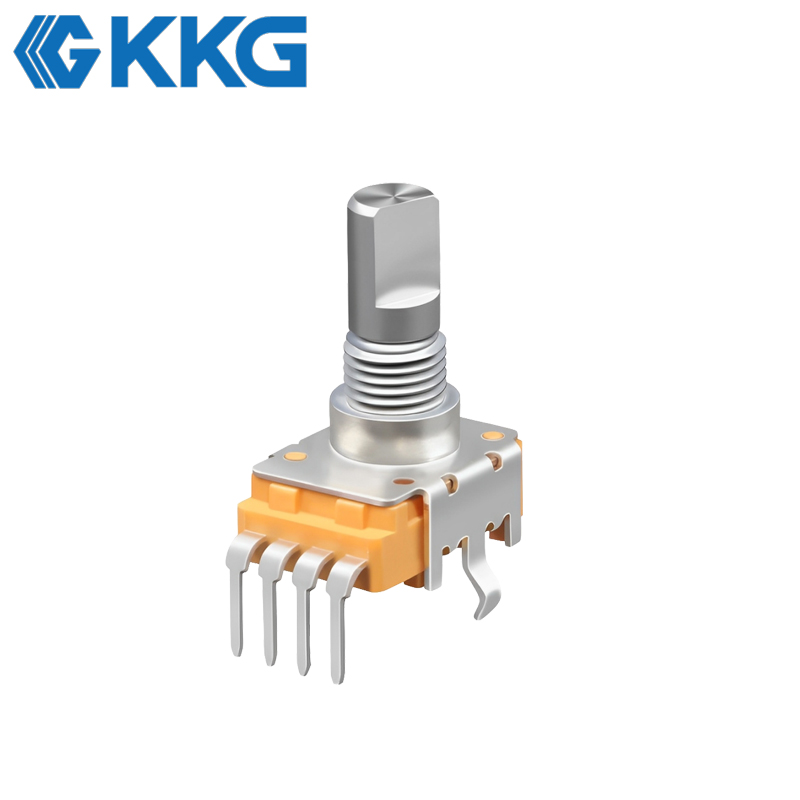
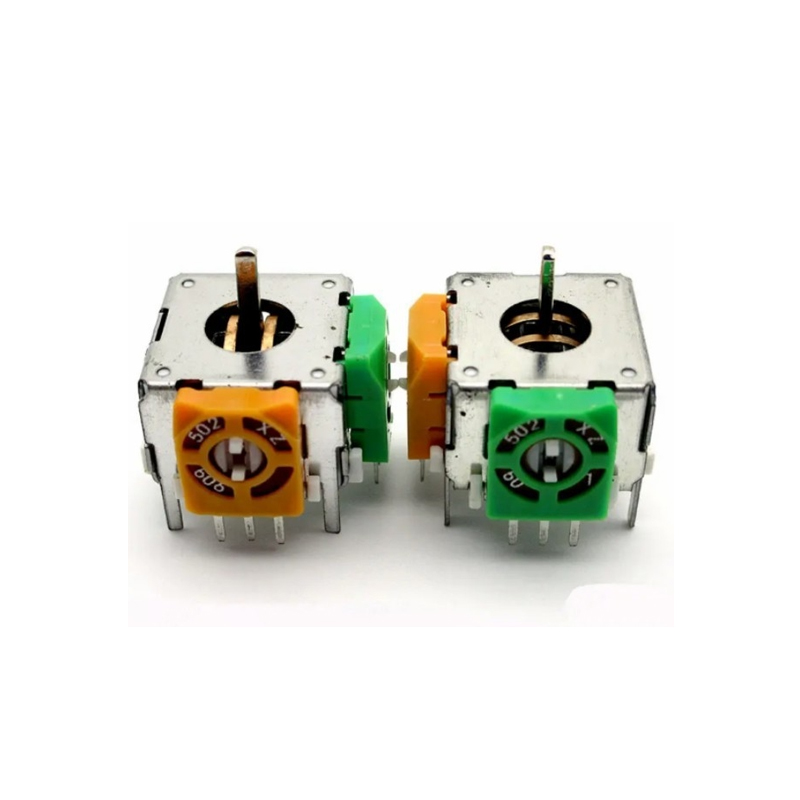
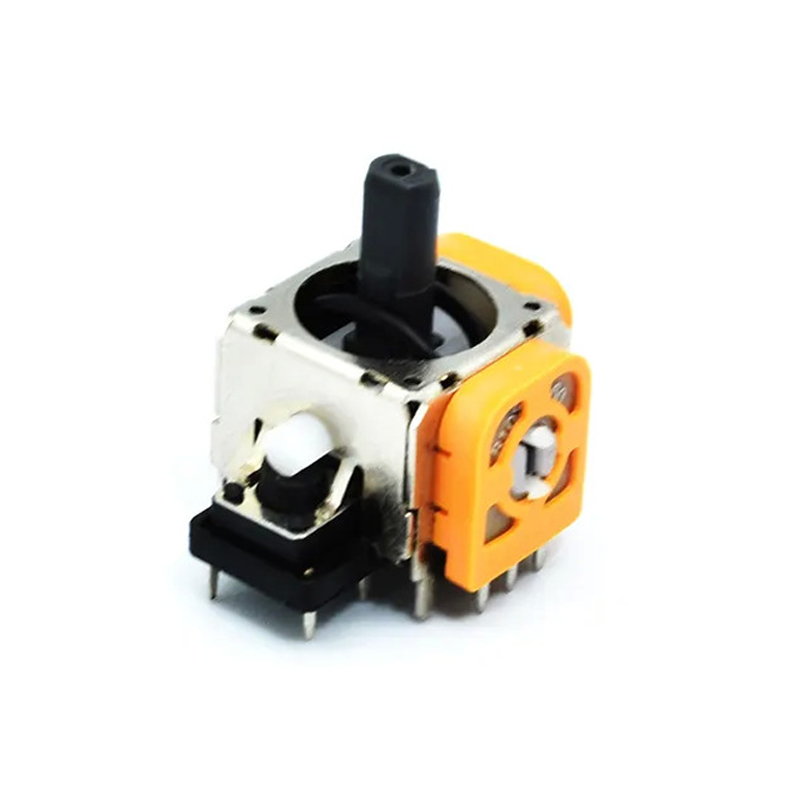
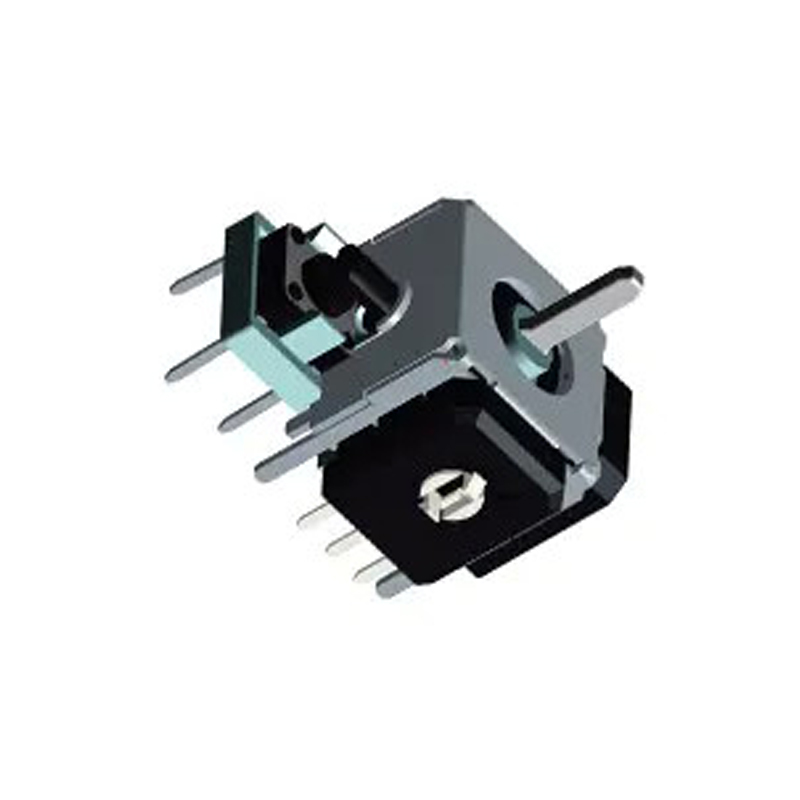
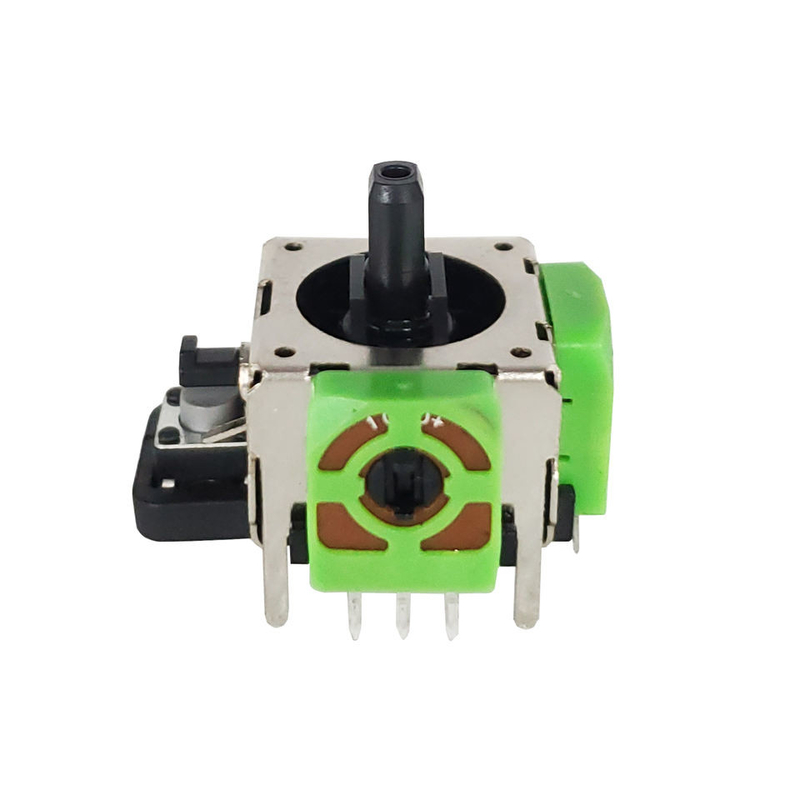
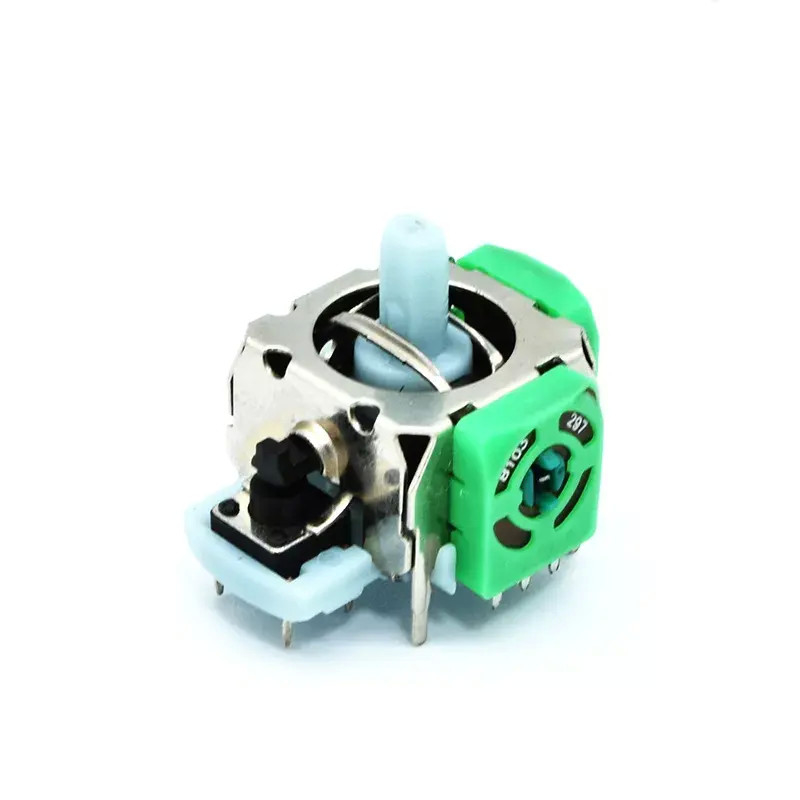
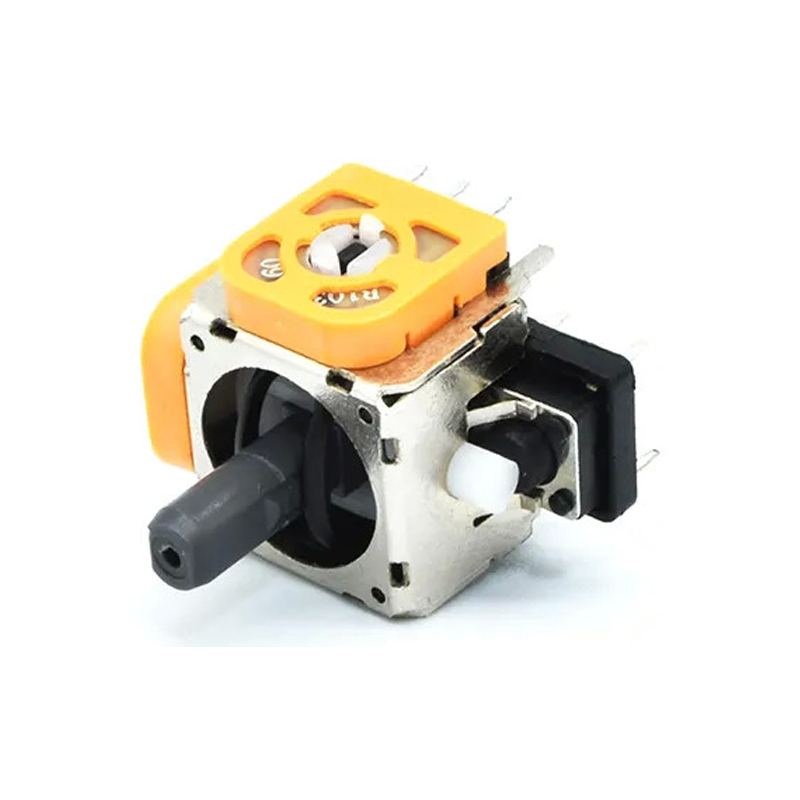
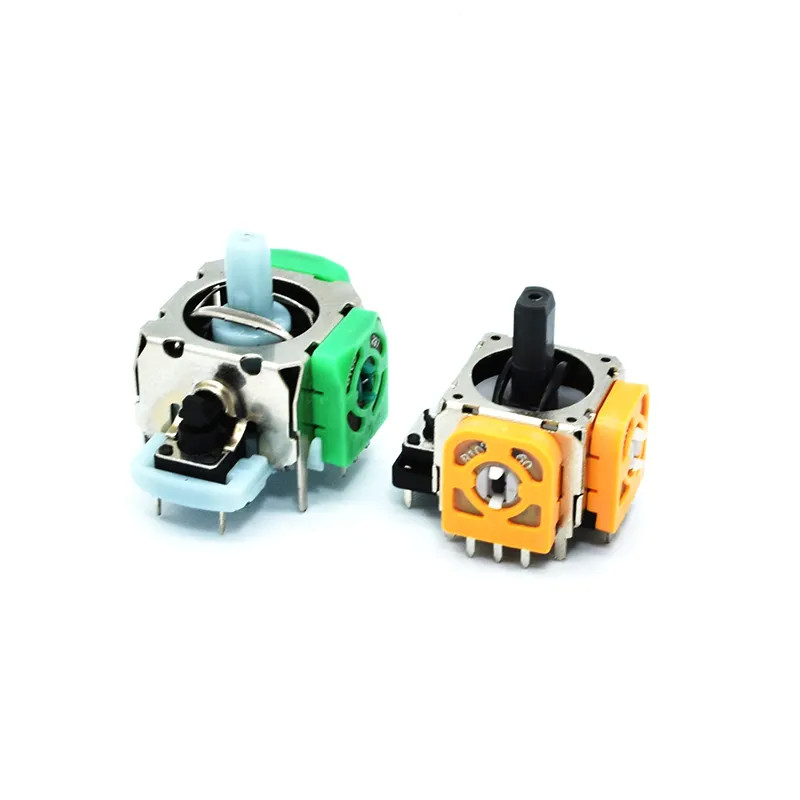



A potentiometer is a three-terminal component consisting of a fixed resistive element and a movable sliding contact (slider). By altering the contact position between the sliding contact and the resistive element, the resistance value connected to the circuit can be continuously adjusted, thereby changing the output voltage or current.
When connected to a circuit, the potentiometer divides the resistive element into two sections via the slider, forming a voltage divider circuit. The output voltage is directly proportional to the slider's position. If one end of the potentiometer is fixed and the other end is connected in series with the slider to the circuit, the current flowing through the circuit can be adjusted.
It is widely used in electronic devices for functions such as volume control, tone adjustment, balance control, speed regulation, and temperature control.